The cost of running a repair shop has gone up noticeably in recent years. Customers feel it when they receive an estimate. Shop owners feel it on the other side of the counter, paying for the software, vehicle data, equipment, and technology needed to do the work.
That pressure applies whether you run an independent auto repair shop, collision center, tire and brake business, diesel or truck shop, or RV repair operation. The equipment and jobs may differ, but the business problem is familiar: keeping capable people and expensive resources working.
You cannot control every cost coming into your shop. You can control how easy you are to find, how well you handle inquiries, and how clearly you explain your work. The answer is not automatically a lower price. It is a better path from customer interest to a booked bay.
Why the Cost of Running a Repair Shop Keeps Climbing
Several pressures sit behind higher repair prices, and they are not simply costs customers see on a parts invoice. They are also costs shops carry so they can service today’s vehicles.
Software access is a major part of the picture. Shops pay for access to software needed to work on modern vehicles. That makes software part of delivering the repair, not just an office expense.
Vehicle data access is another issue, particularly for independent shops. Access to the information needed to complete the job is not optional when the repair depends on it. Having the technician and the vehicle in the same building is not enough if the shop cannot access what the job requires.
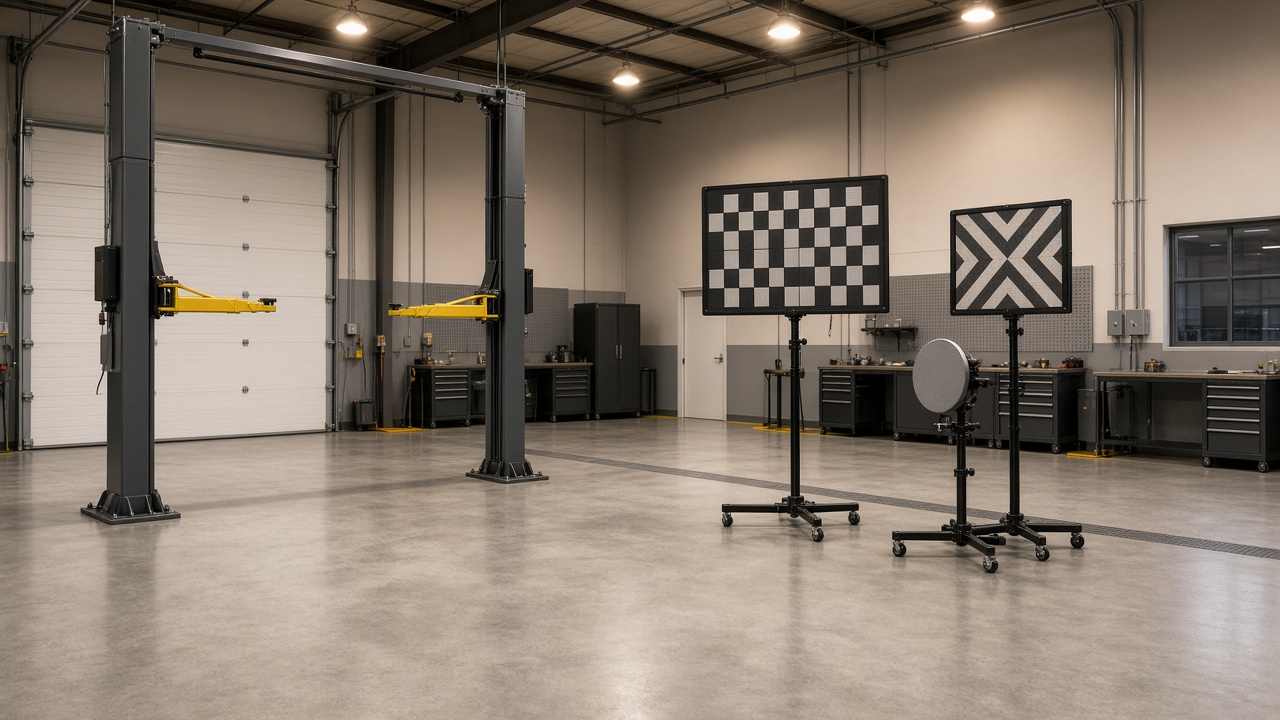
Then there is the hardware. Parts and safety technology have become more complex, and the equipment needed to calibrate those systems adds to the bill. Many owners say keeping up is getting harder, especially for smaller shops.
It is reasonable to be frustrated by those costs. But frustration does not put a vehicle in an empty bay. The practical question is what your shop can do now to bring in work without turning every customer conversation into a price contest.
1. Fix Your Google Business Profile
Start with the basics: your hours and phone number. If either is wrong on your Google Business Profile, a customer may simply call the next shop.
This is easy to underestimate because you already know when your business is open and how to reach it. A prospective customer does not. They are relying on the information in front of them to decide whether contacting you makes sense.
Look at your profile from that customer’s position. Can they tell when you are open? Does the listed number reach your shop? Is the information consistent with how your business actually operates?
Make this a straightforward management check:
- Confirm that the listed phone number is correct.
- Check that your hours reflect your current schedule.
- Correct inaccurate information rather than assuming customers will figure it out.
- Revisit those details when your hours or contact information change.
Google provides instructions for editing your Business Profile if you need help making corrections.
Accurate information removes an avoidable reason to choose someone else. Before looking for a more complicated marketing solution, make sure the basic route to your shop works.
2. Treat Every Call as a Work Opportunity
A missed call is often a job that goes to another shop. That is why answering the phone belongs in the same conversation as repair shop marketing.
Getting found is only part of the job. Once someone calls, your shop has to be available to help them take the next step. Otherwise, the interest you earned stops short of becoming work.
Every owner knows the front counter can get busy. Someone is asking about an estimate, another customer is ready to pick up a vehicle, and a technician needs an answer. The phone can feel like one more interruption. To the person calling, though, it is their attempt to do business with you.
The management question is simple: Who is responsible for answering when the shop gets busy? If that responsibility is unclear, fixing it deserves attention.
Review how calls are handled during normal operations, not just when the counter is quiet. Make answering the phone a defined part of the work rather than something whoever happens to be nearby might do.
You do not need to turn this into a complicated project. Start by identifying where calls are being missed and what your team needs to handle them. The goal is to keep a customer’s attempt to reach you from becoming another shop’s opportunity.
3. Keep Fresh Reviews Coming
Recent reviews build trust and can help drivers find your shop. A good reputation matters, but customers also benefit from seeing that people have had positive experiences with your business recently.
For someone who has never used your shop, choosing a repair business requires confidence. They are deciding who to trust with their vehicle and whether your shop is a sensible place to bring their problem.
Fresh reviews help support that decision. They give prospective customers something beyond your own description of the business.
The practical approach is to make requesting reviews a regular part of your customer process. Do not leave it entirely to chance or wait until you notice that your most recent feedback is old.
Keep the request plain and natural. Ask customers to share their experience, and give your team a clear point in the service process to make that request. The purpose is to keep real customer feedback coming, not to turn the conversation into a sales pitch.
This is another basic that supports staying booked without competing only on price. When customers have more reason to trust your shop, the decision does not have to rest entirely on the number at the bottom of an estimate.
4. Follow Up on Declined Work
Work declined today is not necessarily work lost forever. Sometimes the customer is saying they are not ready yet, rather than rejecting the recommendation outright.
If your shop treats every declined recommendation as a closed conversation, you lose the opportunity to reconnect when the customer is ready.
Follow-up keeps that conversation open. It gives the customer another chance to discuss the work and take the next step.
Begin with the recommendations your shop has already made. Make sure your team can identify what was declined and explain it clearly when reaching back out. A useful follow-up should connect to the customer’s actual vehicle and the work previously discussed.
Keep the approach respectful. The purpose is not to pressure someone into approving an estimate. It is to ask whether they are ready to revisit the recommendation and help them understand it if questions remain.
For owners and managers, the important question is whether follow-up happens consistently. If it depends on someone remembering a conversation during a busy day, it is easy for that opportunity to disappear.
Before putting all your attention on finding new customers, look at the unfinished conversations already in your shop. Some of the next work you book may begin with a recommendation you have already made.
5. Explain the Quote, Not Just the Total
When a job includes calibration or software time, say so. Customers cannot understand the price of work they do not realize is included.
That is especially important as vehicle technology becomes more complex. Your team knows what the repair requires. The customer may only see the original problem and the final number.
If the estimate leaves out that context, the total can look high without any obvious explanation. A clear explanation helps the number make sense.
Keep the conversation focused on the actual job:
- Explain what work the estimate includes.
- Identify calibration when it is part of the job.
- Explain software time when it applies.
- Give the customer room to ask questions before making a decision.
This does not mean giving every customer a technical lecture. Plain language is usually the better choice. The goal is understanding, not overwhelming someone with terminology.
It also does not mean every estimate will be approved. But it gives the customer a clearer basis for deciding. Explain the work before assuming the price needs to change.
Keep the Focus on What Fills Your Bays
These five actions work together. Accurate business information helps customers reach you. Answered calls keep inquiries moving. Recent reviews support trust. Follow-up reopens unfinished conversations. Clear estimates help customers understand what they are being asked to approve.
None of that changes the price of required software or calibration equipment. It changes how well your shop turns customer interest into work that can help carry those costs.
Expensive equipment needs to be used. A capable team needs booked work. An empty bay does not stop costing you money simply because no vehicle is in it.
Do not wait for the cost of doing business to come down before addressing these basics. Start with the weak point your shop can fix now, give someone responsibility for it, and make it part of normal operations.
Key Takeaways
- Software, vehicle data access, complex technology, and calibration equipment contribute to the cost of running a repair shop.
- Accurate business information and answered calls help prevent avoidable lost opportunities.
- Fresh reviews and declined-work follow-up support trust and continued customer conversations.
- Explaining calibration and software time helps customers understand the value included in their estimates.
Get a Second Set of Eyes on Your Shop
If you would like a second set of eyes on your shop, request a free marketing analysis at americasbestshops.com. We’ll review how customers find and reach you and show you the gaps.
Request a Free Marketing Analysis

Brad Killgore is a Best Selling Author, Speaker, Military Veteran, and Strategic Marketing Expert with over 18 years of experience in the industry. Brad loves to spend time with his family and 3 grandchildren. He is an avid traveler who previously lived full-time with his wife in their luxury RV for 3 years. He has worked on some of the biggest concert stages in the world and met some of the most famous Rock Stars on the planet. Brad is a car and motorcycle enthusiast who has attended thousands of concerts over the last 45 years. Brad has been featured on top media outlets for his outstanding marketing results for America’s Best Shops. Brad is a Trailblazer in the world of AI strategy and automation.